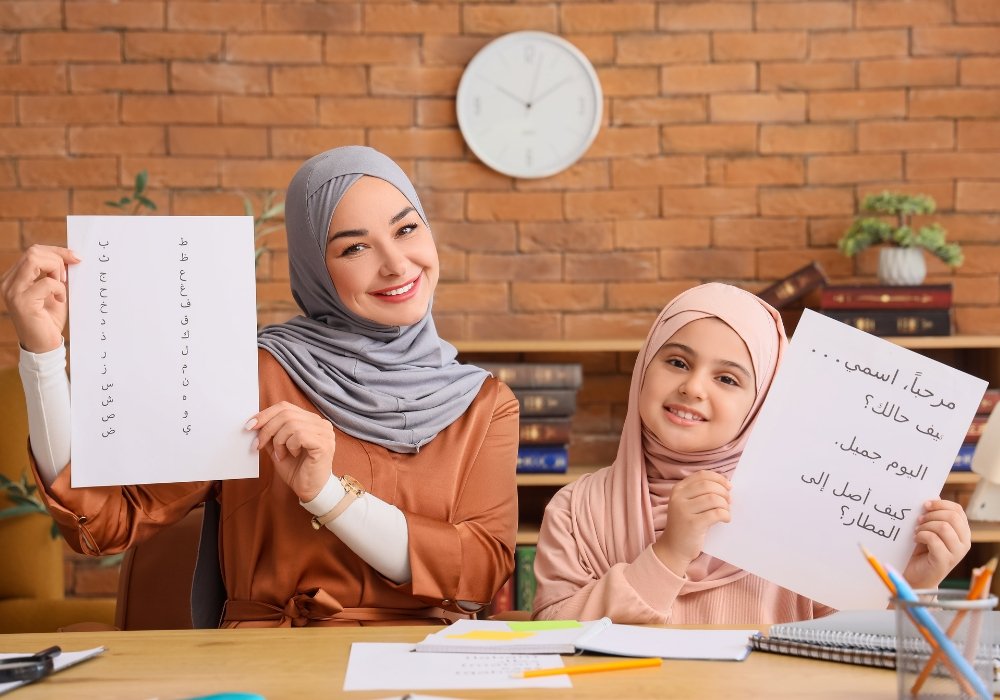
In today’s global world, giving children strong language skills from an early age is one of the best investments parents can make. One language that stands out for its cultural, cognitive, and future career value is Arabic. Learning Arabic for kids is not just about communication—it supports brain development, builds cultural identity, and opens doors to global opportunities.
For parents who want their children to grow confidently in a multicultural environment, Arabic offers long-term benefits that go far beyond vocabulary and grammar.
Children’s brains are naturally wired to absorb languages quickly. Studies show that early language learning improves memory, creativity, and problem-solving skills. When children learn Arabic early, they gain:
Arabic is also one of the most spoken languages in the world, making it an incredibly valuable skill for children growing up in an interconnected society.
Learning Arabic helps children develop advanced thinking skills. The Arabic language introduces unique sounds, sentence structures, and writing systems that stimulate the brain.
Key cognitive benefits include:
According to global child development research organizations such as UNICEF, multilingual education supports healthier cognitive and social development in children.
Language is deeply connected to culture. Learning Arabic allows children to understand traditions, stories, and values that shape Arab history and society.
Through Arabic, children can:
For families living in Arabic-speaking regions or multicultural communities, Arabic helps children feel a stronger sense of belonging and identity.
Arabic teaches children how to express ideas clearly and respectfully. Many Arabic expressions emphasize politeness, emotional awareness, and social harmony.
By learning Arabic, children develop:
These communication skills are useful not only in Arabic but also in school, social situations, and future professional environments.
Children who learn a second language often perform better academically. Arabic helps strengthen skills in:
Arabic also supports learning other languages later, as children become familiar with language patterns and structures at an early age.

Arabic is one of the most in-demand languages globally. Early exposure gives children a strong foundation for future education and careers.
Arabic skills are valuable in fields such as:
Starting Arabic for kids early gives them a competitive advantage as they grow older.
Children learn best when lessons are engaging and interactive. A good Arabic program for kids should include:
Structured programs designed specifically for children help them stay motivated and enjoy the learning process.
Learning Arabic through a guided program ensures consistent progress and proper pronunciation. Professional instructors understand how children learn and adapt lessons to their age and level.
You can explore a structured and engaging Kids Arabic course here:
Arabic Course for Kids
For parents looking for a complete learning experience, you can also explore the full range of children’s language programs available at:
Kids Language Programs
As children master new words and phrases, their confidence naturally grows. Learning Arabic for kids helps children feel proud of their abilities and encourages them to participate more actively in class and social settings. Through Arabic for kids programs, children gain the confidence to express themselves clearly and interact comfortably with others.
Confident children are more likely to:
Teaching Arabic to children is more than just language education—it’s a gift that supports their mental growth, cultural understanding, and future success. From cognitive development to career readiness, Arabic for kids offers lifelong benefits.
By starting early and choosing the right learning environment, parents can help their children build strong communication skills, cultural awareness, and confidence that will stay with them for life.
If you’re considering giving your child a meaningful advantage, Arabic is a powerful place to start.